

An all-girls aerial robotics team is addressing real-world challenges and creating new pathways to engineering.
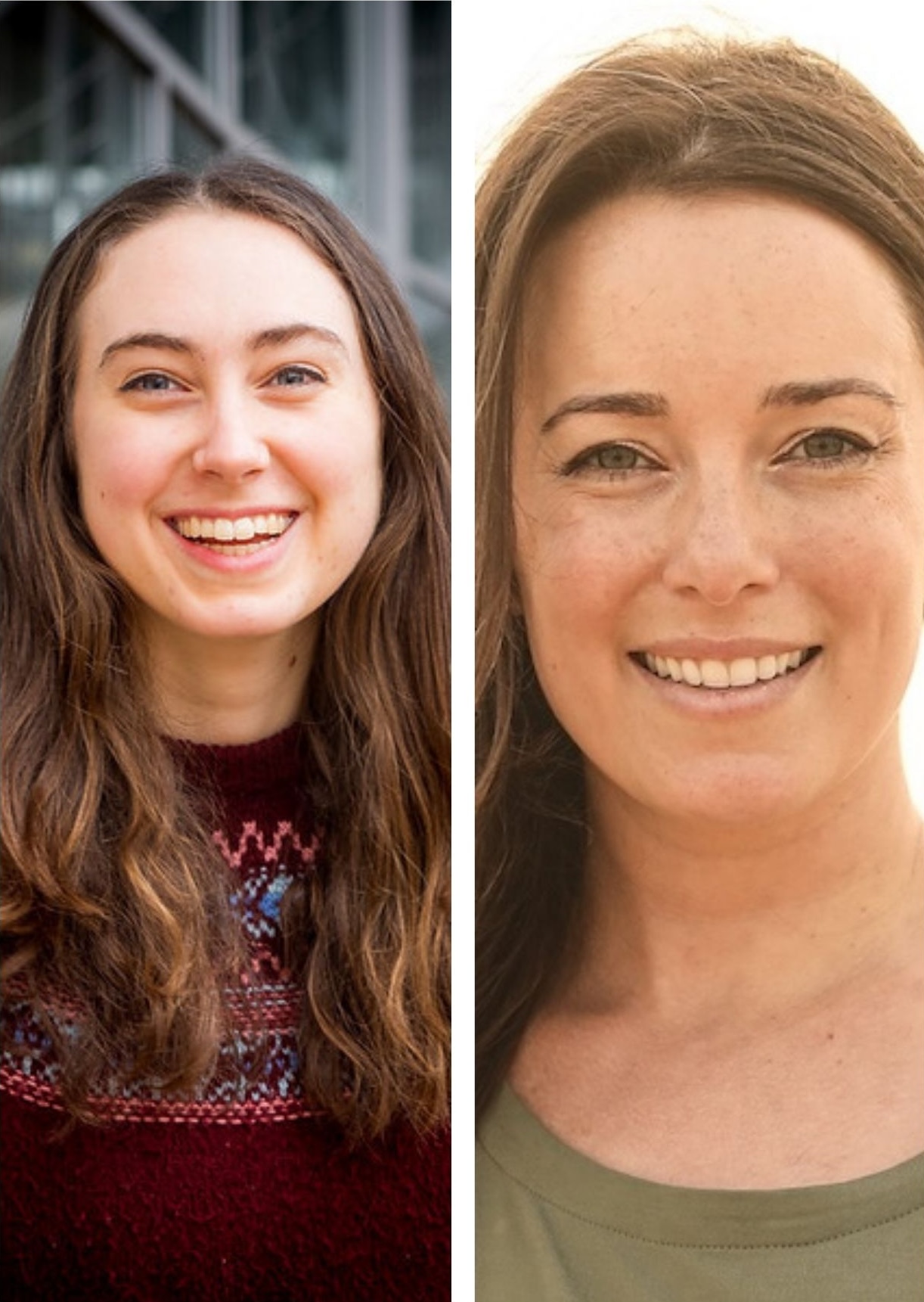
By Bri O’Neill and Pauline Petersen
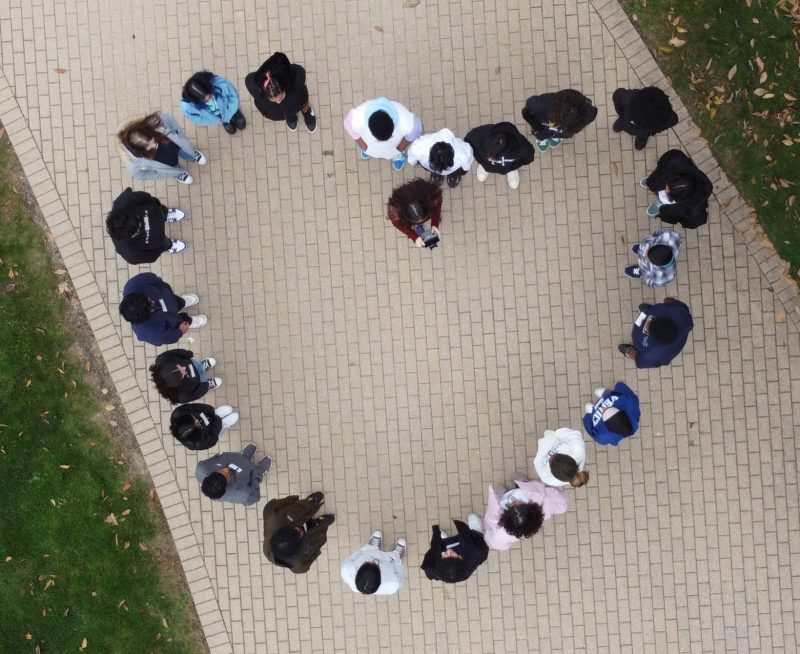
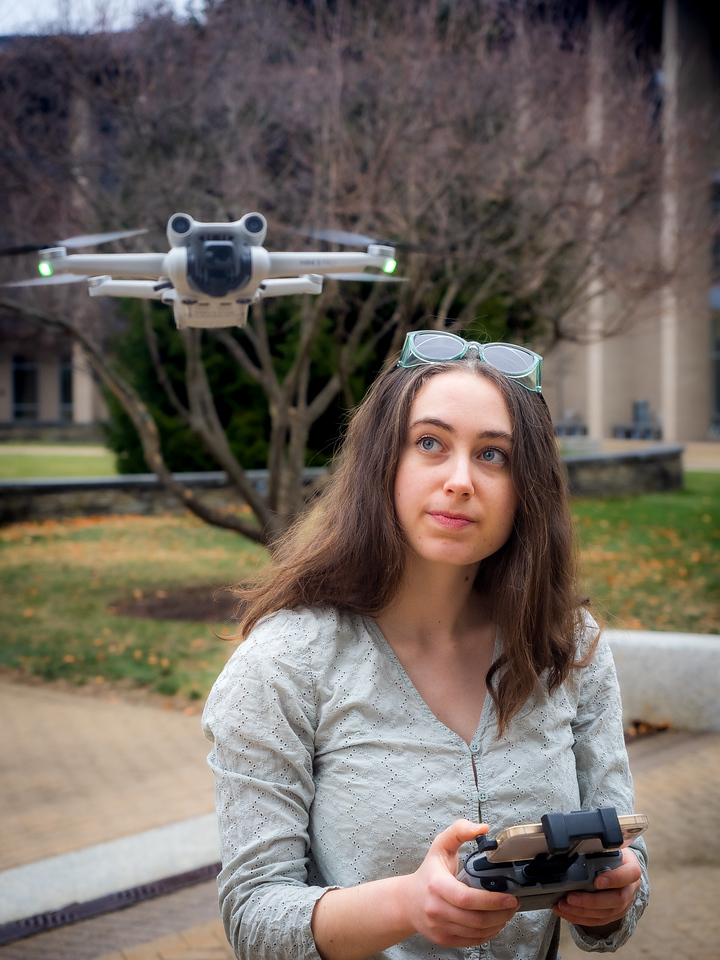
She stands with the controller in her hands. Her eyes are locked on the aircraft, hovering steadily a few feet above the ground. She is surrounded by her team in the Advanced Vertical Robotics Competition, where they have designed, built, and programmed an aircraft in 10 weeks to compete in a simulated earthquake recovery challenge.
Amongst all the competitors, only 8% are women. This is the percentage of licensed drone pilots in the U.S. This gap is not the result of a lack of interest or ability. It comes from limited exposure, access, and pathways into the field. For many, drones and aerospace remain out of reach until someone places the controls in their hands. Introducing more girls to drones and engineering is about showing them that they belong in shaping the future of flight.
As mentors for the St. Mary’s Academy all-girls robotics team Beta Blues, in Portland, Oregon, we have seen how representation and encouragement change the way students engage with engineering. When students see mentors who look like them and hear stories that resonate with their own experiences, the challenges feel more approachable. High school robotics and drone competitions engage students in a work environment similar to industry. With a tight timeline, budget, and team, they learn to work together in a fast-paced environment while sampling different disciplines. Our all-girls high school robotics team has built a strong foundation in programming, electronics, and systems thinking through ground-based robots.
We plan to introduce drones using the DroneBlocks educational platform, which offers a progression from block-based coding to Python. Students learn autonomous navigation, sensor-driven behavior, and fundamental aerodynamics. This work is aimed at preparing the team for the Advanced Vertical Robotics competition, which challenges students to design, program, and build aerial and ground robots to compete indoors without GPS. The team has 10 weeks to prepare for the competition, which replicates scenarios such as earthquake rescue, firefighting, and infrastructure recovery.
We are seeking grants and funding to acquire drone hardware, support curriculum development, and provide hands-on flight experiences for students. Our goal is to build engineering skills and clear pathways into the UAV industry. If you know of organizations, grants, or partners who may be interested in supporting this work, or if you have advice on funding opportunities, we would love to connect.
Program Details
Our all-girls high school robotics team has built a strong foundation in programming, electronics, and systems thinking through ground based robots. Introducing aerial robotics is a natural next step that expands learning into a third dimension and brings new energy and relevance to the program.
We plan to introduce drones using the educational platform from DroneBlocks. Its progression from block based coding to Python based autonomy allows students of all experience levels to participate and grow. Students learn flight safety, aerodynamics, and mission planning before moving into autonomous navigation, sensor driven behavior, and team based problem solving.
This work aligns well with the Advanced Vertical Robotics competition, which challenges teams to coordinate aerial and ground robots in indoor, GPS denied environments. The competition emphasizes collaboration, autonomy, and systems integration while offering diverse technical and leadership roles.
Introducing drones is especially meaningful in an all-girls high school setting like St. Mary’s Academy. Early exposure to aerospace and autonomy helps counter long-standing gender gaps by building confidence and technical identity. Students see themselves writing code that flies, managing complex systems, and solving real-world problems.
By integrating aerial robotics into our program, we are broadening technical skills, strengthening teamwork, and opening new pathways into engineering fields that are shaping the future.