


A thought-leadership perspective for readers exploring the future of uncrewed aviation, not investment advice.
The drone sector has reached a pivotal stage in its evolution. What once existed as a hobbyist niche has expanded into a global ecosystem supporting infrastructure inspection, emergency response, agriculture, logistics, defense, and the emerging field of advanced air mobility (AAM). As the industry matures, interest from investors, analysts, and strategic partners has intensified — not because of hype, but because drones now sit at the intersection of robotics, automation, AI, and national infrastructure.
This article offers a framework for understanding the forces shaping the industry, the signals that matter, and the factors readers should consider when evaluating companies preparing for mergers, acquisitions, or potential public offerings. It is not investment advice; rather, it provides context for navigating a rapidly evolving market.
Why the Drone Industry Is Attracting Investor Attention
Expanding Commercial Adoption
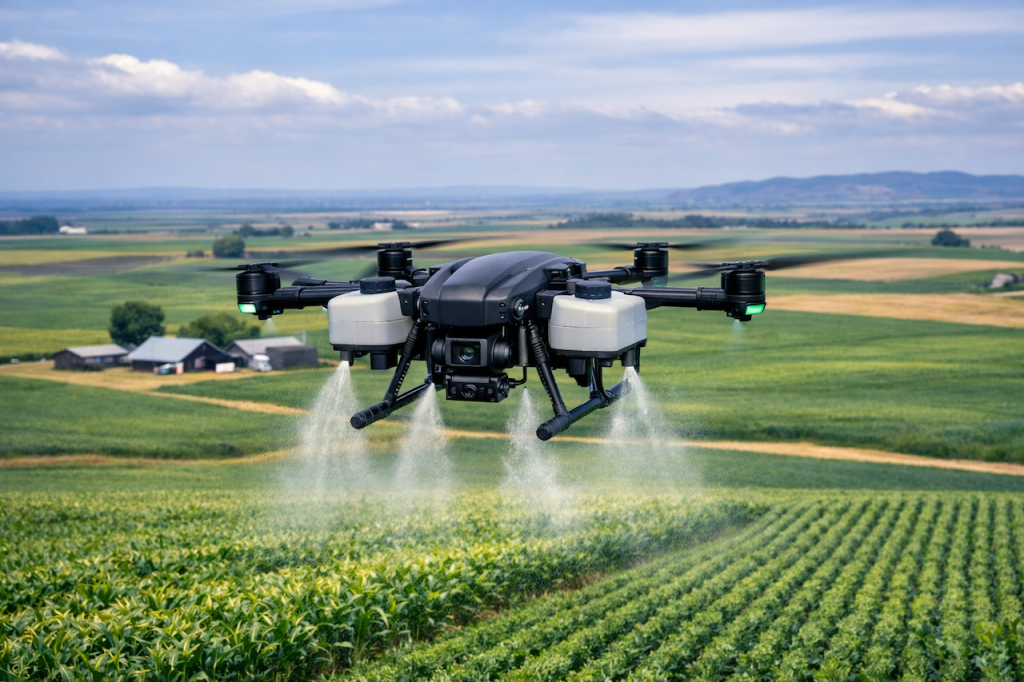
Energy companies, utilities, construction firms, and agricultural operators are scaling drone programs to reduce risk, improve efficiency, and capture high-value data. The shift from isolated pilot projects to enterprise-wide deployment is a strong indicator of market maturity.
Government and Public Safety Integration
Drones have become essential tools for disaster assessment, emergency response, and law enforcement. Government adoption often stabilizes demand and validates long-term use cases.
Technological Convergence
Advances in autonomy, sensors, AI-driven analytics, and edge computing are transforming drones from simple imaging tools into intelligent data-collection platforms.
Global Regulatory Momentum
Regulators in the U.S., Europe, the Middle East, and Asia are advancing frameworks for BVLOS operations, remote ID, and airspace integration. Timelines vary, but the direction is consistent: the world is preparing for scaled uncrewed operations.
Market Consolidation and IPO Positioning
As the sector matures, companies with strong technology, contracts, or intellectual property are becoming acquisition targets. Others — particularly in AAM — are positioning for public offerings to support certification and manufacturing.
Accelerating Military Demand and the Push for U.S.-Made Systems
One of the most significant drivers of growth is the rapid expansion of military demand. The conflict in Ukraine has demonstrated how uncrewed systems can serve as force multipliers, precision tools, and cost-effective assets in contested environments. Ukraine’s use of drones — from small quadcopters to long-range autonomous systems — has reshaped global military thinking and accelerated procurement across NATO and beyond.
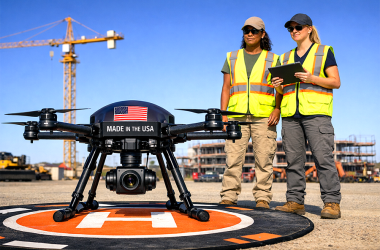
In the United States, the Department of Defense is expanding programs focused on tactical drones, counter-UAS capabilities, and autonomous teaming. At the same time, geopolitical pressures and supply-chain vulnerabilities have intensified the push for American-made systems. More U.S. companies are entering the defense segment, competing to deliver secure, domestically produced platforms that meet military requirements. This shift is creating new opportunities for manufacturers, software developers, and integrators — and it is reshaping the competitive landscape.
What You Should Understand Before Considering an Investment
1. The Drone Industry Is Not a Single Market
The ecosystem spans hardware, software, services, defense, security, and advanced air mobility. Success in one segment does not guarantee relevance in another. Understanding the segment is essential to understanding the business model.
2. Regulation Strongly Influences Growth
Regulation remains one of the most powerful forces shaping the industry’s trajectory. While technology is advancing quickly, commercial expansion depends on how rapidly regulators enable routine, scalable operations.
Key areas to watch include:
Beyond Visual Line of Sight (BVLOS)
BVLOS is the most important regulatory unlock for large-scale operations. The FAA’s proposed Part 108 rule aims to create a standardized pathway, replacing today’s patchwork of waivers. Until finalized, companies must rely on case-by-case approvals, which limits scale.
Type Certification and Airworthiness
For aircraft intended to operate routinely in the national airspace — including AAM platforms and higher-risk drones — type certification is essential. The process is rigorous and resource-intensive, favoring companies with strong engineering and safety infrastructure.
Remote ID and Airspace Integration
Remote ID requirements are laying the foundation for a more transparent and manageable airspace environment. As compliance becomes universal, regulators will gain confidence in approving more complex operations.
Test Corridors and Incremental Approvals
Until broader frameworks are finalized, the FAA is enabling progress through test corridors, shielded operations, and expanded waiver programs. These pathways allow companies to demonstrate safety cases, gather data, and build operational maturity.
3. Market Leaders Are Still Emerging
Unlike mature industries, there is no single dominant global player. Indicators of strong positioning include operational scale, repeat contracts, intellectual property, proven safety, and clear certification pathways. These are signals of traction, not predictions of performance.
What to Look For in Companies Positioning for M&A or IPOs
Operational Signals
- Significant flight hours and strong safety records
- Scalable business models
- Diversified customer bases
- Recurring service or software revenue
Strategic Signals
- Partnerships with major aerospace, defense, or technology firms
- Exclusive contracts or long-term government agreements
- Proprietary autonomy stacks or sensor technologies
- Vertical integration or supply-chain control
Financial Signals
Clear capital requirements for scaling manufacturing or certification
Consistent revenue growth
Balanced commercial and government portfolios
Inherent Risks You Should Recognize
Regulatory Uncertainty: Timelines for BVLOS approvals, certification, and airspace integration may shift.
Geopolitical and Supply-Chain Factors: Export controls, international competition, and component dependencies can affect operations.
Market Fragmentation: Many companies are early-stage, pre-profit, or reliant on government contracts.
Technology Risk: Autonomy, detect-and-avoid systems, and battery performance continue to evolve.
Public Perception and Policy: Concerns around privacy, noise, and safety can influence adoption and local regulations.
Conclusion
The drone industry is entering a period of accelerated growth shaped by commercial expansion, regulatory progress, technological convergence, and rising national security priorities. For readers evaluating the sector, the key is understanding the signals, the segments, and the strategic forces influencing the future of uncrewed aviation.
Disclaimer
The insights shared in this article are intended to help readers understand the dynamics shaping the drone industry. They are not investment recommendations, financial forecasts, or guidance for evaluating specific companies. Any investment decisions should be made independently and with appropriate professional consultation.