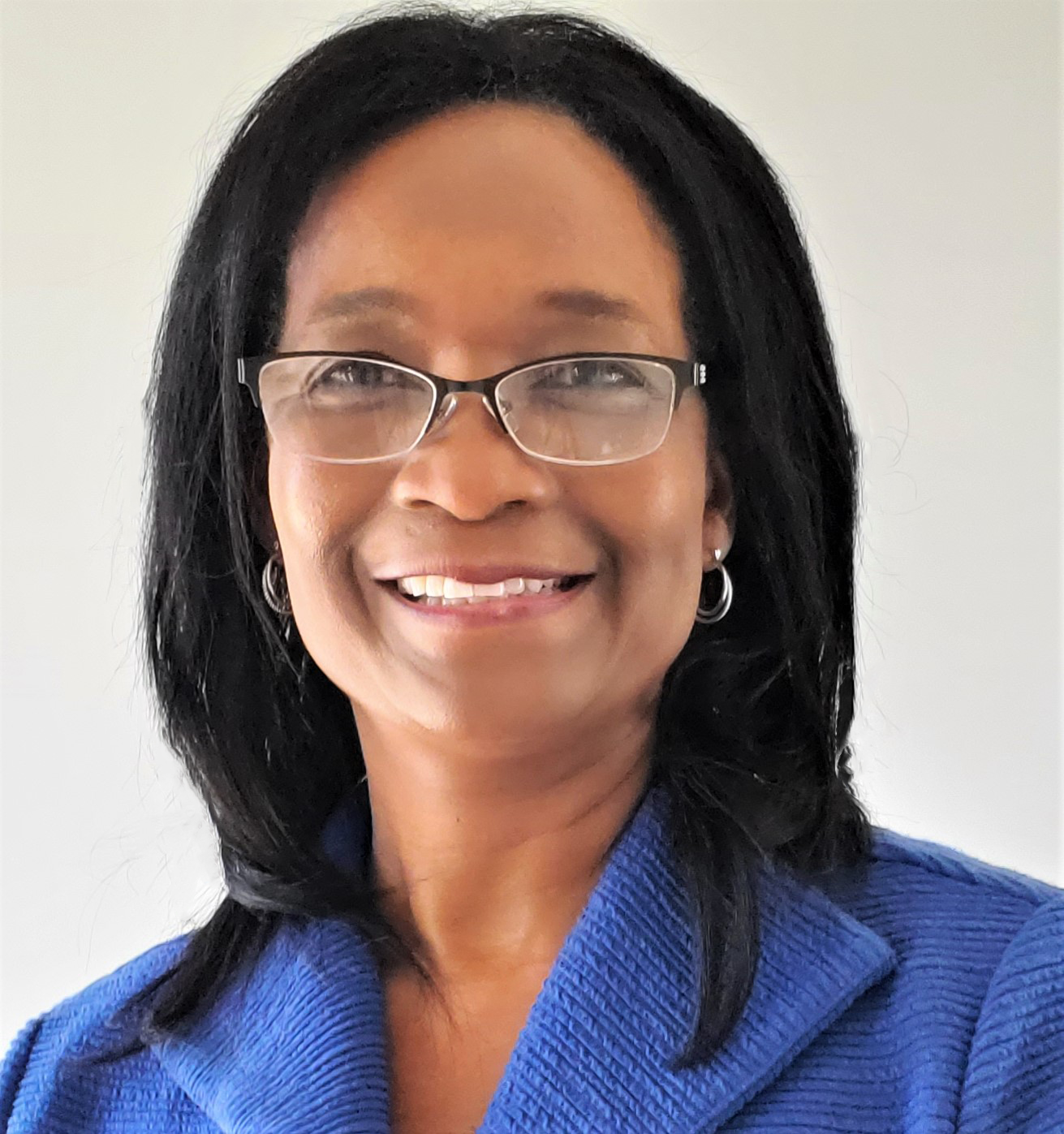

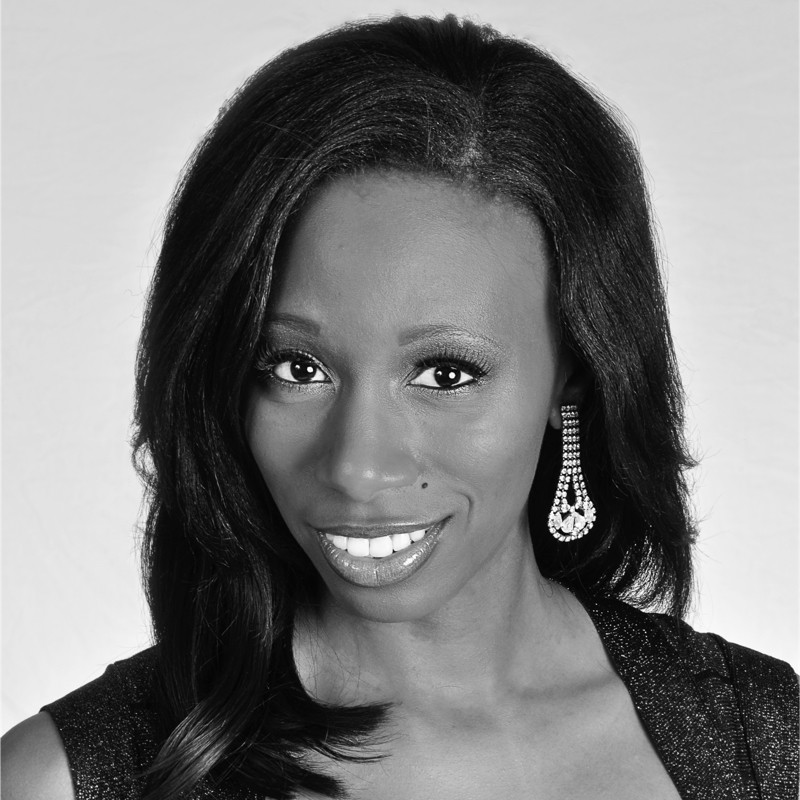
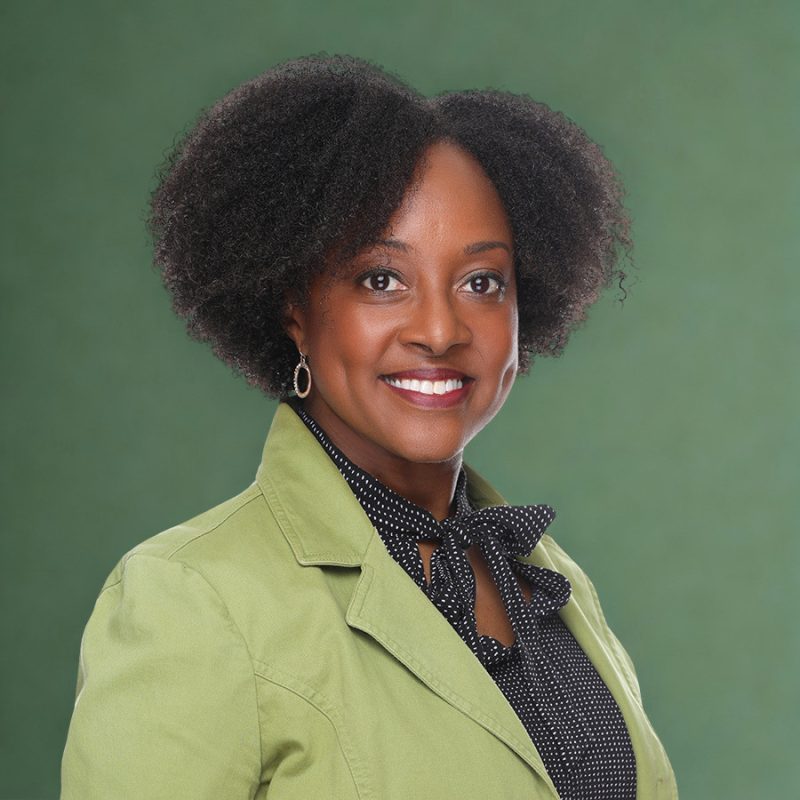
Tonie Smith is delivering innovative business solutions and opening doors for underrepresented groups using unmanned aerial vehicles.
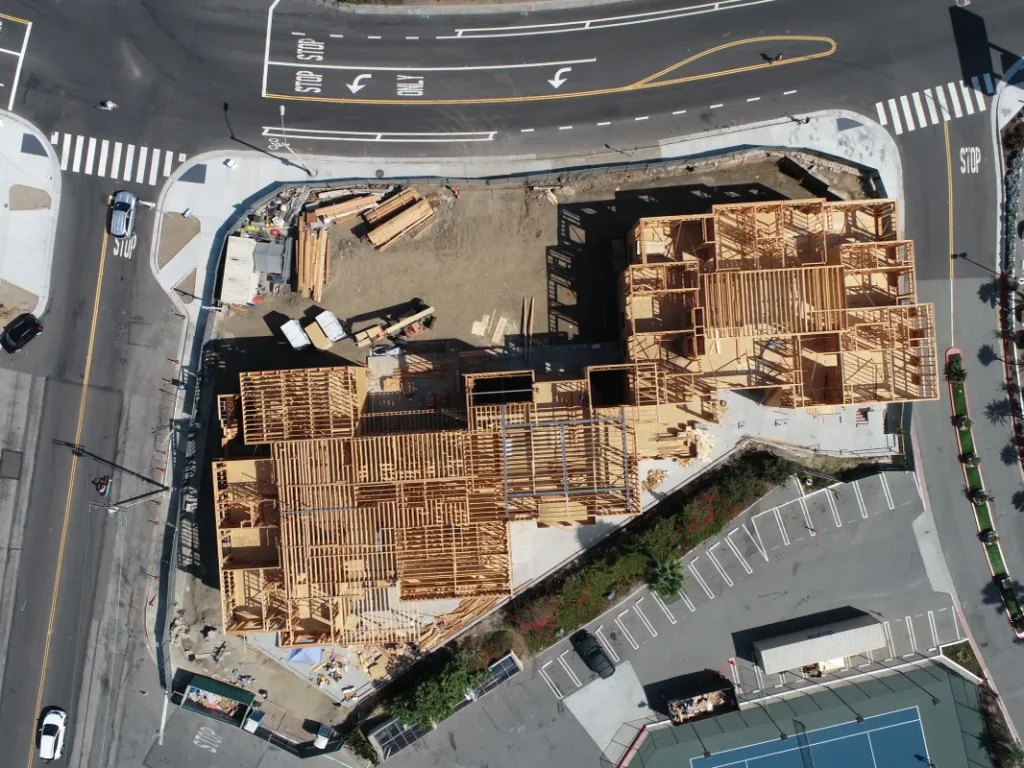
LaTonya “Tonie” Smith has built a reputation as one of the most respected UAV pilots, photographers, and drone safety educators in San Diego County. She is an FAA DronePro covering all of Southern California who has built her company, TS Aerial Media, using drones as a business solution for construction and home inspections. Over the course of her career, Smith has stewarded invaluable partnerships that have created career pathways for adults and introduced students to UAS technology. Citing one of her proudest career moments as guiding students to accomplishments, it’s no surprise that Smith received the 2025-26 Teacher of the Year award from National City Day School in National City, CA.
Jade Newton: Let’s dive right in, Tonie. What drove you to make a career into the drone industry and what were you doing before the transition?
Tonie Smith: Before becoming a drone pilot, I was actually an operations manager for an investment property firm. Being in operations, I was a problem solver. I had previously been in training and coaching primarily in the real estate field. That had been my strength—fixing a lot of problems in recruiting and training programs. I felt like I was putting out fires in an industry where I knew the fires would never stop. I was studying for my property inspection certification when I came across a section on roofing that suggested using a drone and that footnote struck a chord in me. I realized I hadn’t considered the potential to use it as a tool in an industry that I was in. I set aside my inspection books, I found a course for 107 certification, and decided to pursue that.
JN: Have there been moments in your career where you would say that you’ve experienced imposter syndrome, specifically with being a woman of color in this [drone] space?
TS: People don’t expect me to be in this space because they haven’t seen many women or women of color in this space. I remember my first commercial UAV expo. I had people walking up to me, and even a representative from the Department of Defense asked, ‘Why are there not more women here? Why are there not more minority women here?’ You do run into the occasional condescending tone and sometimes, it feels like people are surprised I’m even asking a valid technical question. You have to have pretty thick skin, but it’s satisfying. When I’m out flying, people will stop their cars to ask, ‘Is that a woman flying that drone?’. I’m not just operating a drone. I’m providing a visual that shifts their expectation of what is possible.
JN: As a drone pilot, educator and business owner, you are balancing multiple roles. What does your day-to-day look like?
TS: Every day is different and that’s part of what I love about it. I teach, I coach, I encourage, I expose my students to the possibilities. One personal goal of mine is seeing us successfully implement drones as an educational tool and as a magnet for students who have not had the opportunity to discover their aptitudes at an age where they can then pick a pathway that’s a good match for their skills and interests. I want to be the bridge I needed when I was younger.
JN: Let’s shift gears and talk about drone soccer. The people want to know more about drone soccer! What inspired you to launch drone soccer in San Diego?
TS: When I was introduced to drone soccer, I thought, ‘What a cool concept!’ The reason being is that there’s a difference between operating out-of-the-box commercial sets and building a knowledge of components. The idea of repairing something, troubleshooting, and [learning] the soft skills that go along with it—the patience, the persistence, the care with using small hand tools. It offered an opportunity to add a whole different skill set to the curriculum that students could take and use in a variety of industries. Beyond that, it’s just fun!
JN: People often romanticize working for yourself. How do you stay motivated through the tough moments of your entrepreneurial journey?
TS: It’s remembering ‘the why.’ Sometimes it can be so easy to go, ‘Oh, well, I’m going to go back and just do this because I’m going to get a paycheck on an hourly basis.’ But then, I remember why I left that to begin with: the frustration of giving 110% of my heart and soul working hard for someone else; having zero control over the future of that business; and, having no guarantee that I was going to get out of that effort what I wanted because it was in someone else’s hands. When you work for yourself, it’s effort, but you’re [still] working for yourself. You’re building your own.
JN: Do you recommend that people get extra drone certifications if they want to specialize in something like cinematography or land surveying?
TS: If there is a specific project or purpose that someone has, you’re going to have to end up with your 107 anyway. The additional certifications are going to depend on your industry. Having a certification in and of itself does not get you a job; you have to have an idea of what it is that you’re going to do. I know people that buy the most expensive drone because then they can do all these things. Well, you can, if someone will hire you. But if you lack the industry knowledge, the experience or the contact to do that thing, you just bought a very expensive practice drone to fly around in your backyard. A carpenter doesn’t go out with a single tool in their belt; you need to be a hybrid learner, constantly layering on new skills so that you are valuable in the specific niche you’re trying to reach.
JN: You have cultivated some great relationships in and around San Diego County—with the K-12 school districts, community colleges, the list continues. What is next for TS Aerial Media that you can share with us?
TS: I have to say I am absolutely enjoying and loving the relationships that have been built here locally with different partners, including City of San Diego Parks and Recreation. They’ve got a great team over there, and it’s great to see them picking up the pace on implementation of their afterschool drone programs, and the support that we get. The San Diego County Fair organizers have been another great partner and they invited our drone soccer team out last year. We were able to have community partners come in and do challenges to see if they could score more goals than our [drone soccer] players. Those [relationships] are meaningful to me because they reach into the community. It’s about getting opportunities, training and fun into the hands of people who, maybe, for economic or sociopolitical reasons, don’t have easy access to paid summer camps, internships or other things. So, working with organizations that are already deeply rooted in the community is so important to me. I feel like it has such a positive impact and it offers opportunities. I wish somebody would have told me I could have flown a drone as a kid. You know I probably could have gone down a different path. I want to be able to reach those kids and I want that list of opportunities and possibilities to be longer [for them].