Fullerton College’s Drone Lab is scaling workforce-ready education using real-world technology through its Autonomous Systems degree program.
Fullerton College’s Drone Lab was established in 2018 with the intention of being a training center for students interested in UAV technology and drone safety. What began as a single course has evolved into a unique Bachelor’s degree program at Fullerton College in Fullerton, California. The Autonomous Systems Development program had humble beginnings: one class transitioned to a certificate, which then transitioned to an Associate’s degree program. Now, it is a first-of-its-kind on the West Coast comprehensive Bachelor’s degree program with a curriculum that is designed to create career pathways for graduates.
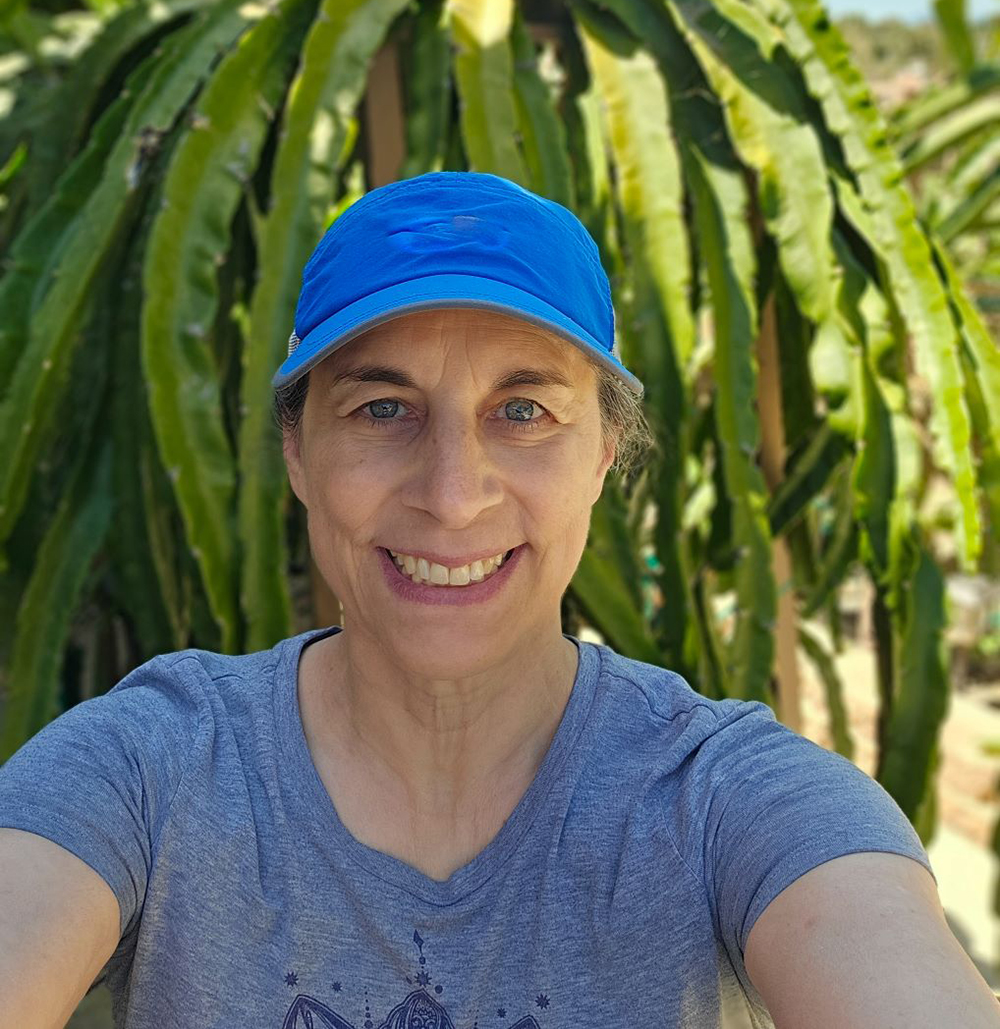
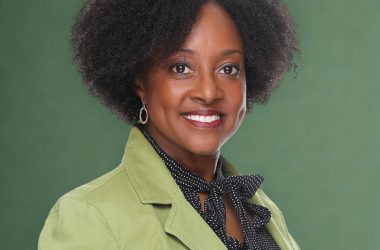
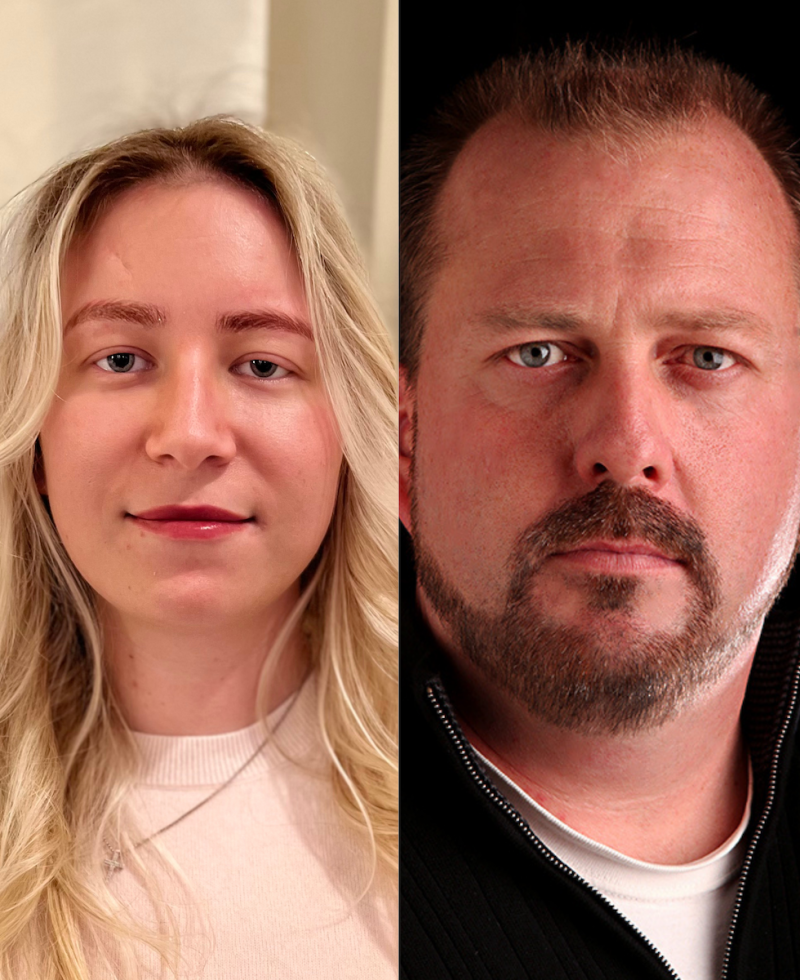
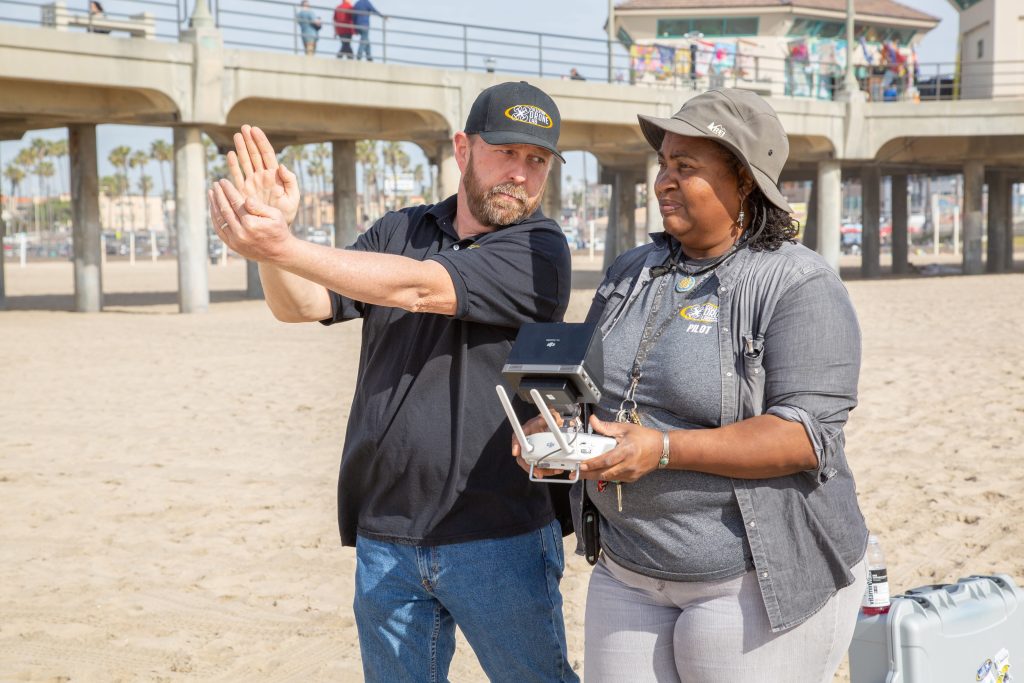
Jay Seidel, a military veteran with a background in journalism and communications, is a professor at Fullerton College and the director of the Fullerton Drone Lab. Seidel has been teaching for two decades and helped Fullerton College become an ASTM certified training center. Coco Fulton, a student in the program, is also a licensed and experienced drone pilot working with Flying Lion. CoCo is also the president of Fullerton College’s chapter of Women & Drones, having launched during the spring 2026 semester.
Both Jay and Coco have been instrumental in the success of the Fullerton Drone Lab and raising awareness about drone technology – even amongst people who are not in the field. Vertical Space had the opportunity to speak with both Jay and Coco to learn more about their experience within the Drone Lab and the UAS industry.
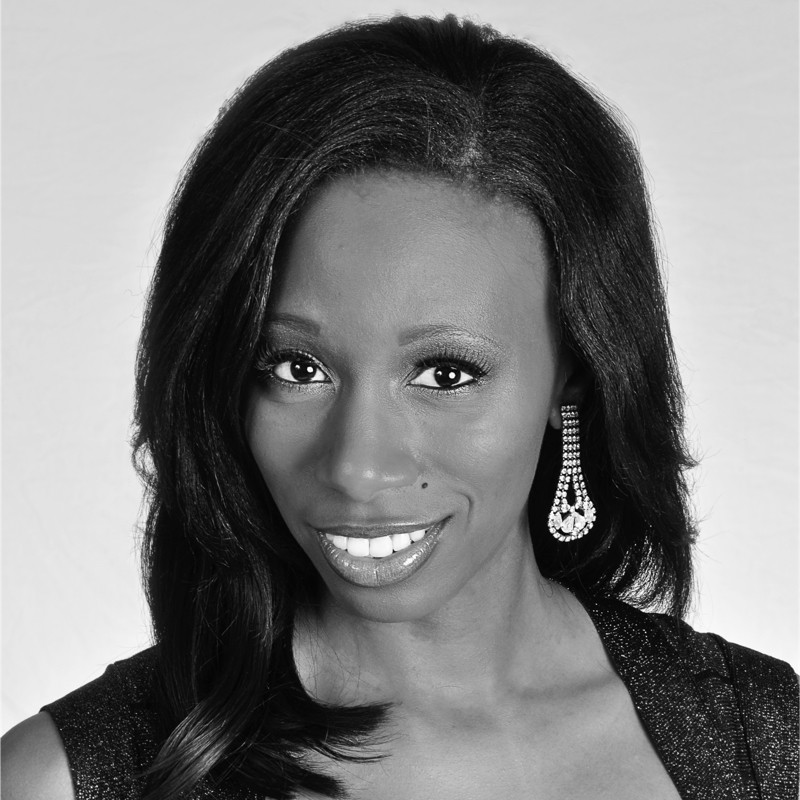
Jade Newton: What does this program, this milestone that you all created at Fullerton College, really mean for the legitimacy of uncrewed systems as like a standalone academic and engineering discipline?
Jay Seidel: One of the things that motivated me to build a bachelor’s program was that paper ceiling. A lot of folks run into that situation where there’s a minimum qualification for a bachelor’s degree. And, a lot of students don’t necessarily have that. So I thought, ‘Well, the community colleges in California are doing this bachelor’s degree thing.’ So I realized that if we can do a broad bachelor’s degree that’s not just piloting but that incorporates drones, autonomous systems, programming, cybersecurity, different remote sensing payloads–those kind of things–it’ll not only position somebody with a bachelor’s degree but it will also move them into a broader area of technology.
JN: How are you keeping up with industry trends in your program because they change all the time? If you have this rigid curriculum, that’s not fluid, it’s going to be very challenging to teach what’s industry-relevant.
JS: I’ve been teaching at the college for twenty years and the main thing for me has always been industry relevance. I can’t just be academic. I can’t just say what the textbook says; I have to have industry knowledge. That’s always been important to me. So, I’ve continued to be a part of the industry and not just the academic side. I leaned on [industry partners] a lot early on. We had all these catchall classes in a vague area called, ‘Tech.’ I didn’t want [the drone program] to just be in a discipline. I wanted it to a point where it was workforce development. I had a lot of freedom and flexibility to develop classes. I know how academia moves so I’m always planning, and trying to see what we need and then preparing for that. Making a class that’s flexible enough to be applied to different areas and not just specifically for this narrow market. We built it out for just job skills, and it kept growing and growing.
JN: You came from a non-traditional background: military, journalism, media. How does this interdisciplinary mindset really benefit the students that are looking to enter into autonomous sectors?
JS: Everybody has come from some kind of varied background; everybody’s coming from other industries. They had other experiences, they have other lives, and they’re moving into this space and there’s society in this space. So, it’s one of those things where we can’t just limit it. In a traditional academic structure you major in this, you get your degree in this, and you should work in this. The drones are really a stereotypical disruptor in regards to that kind of mindset and that kind of structure.
JN: Coco, what attracted you to the Women & Drones organization and drove you to start a chapter at Fullerton College?
Coco Fulton: I had heard of Women and Drones, but just not a whole lot. So when Jay mentioned it, I thought it was very interesting. I was like, ‘Okay well, I’ve already started kind of hopping into the main drone club and helping out on that end. Figures that there’s not a whole lot of women in the program that there’s only a couple of us.’ So, obviously, it is a little intimidating at first, but you have women that are actually interested in drones, learning about it, and getting on the nerdy side. When we actually started up this semester, we got a couple people to sign up, and about a week and a half later started the first meeting. I was able to get at least roughly 12 people to join. We’ve had meetings, talked about drones overall, the FAA, what’s mandatory and then we did hands-on flying for the rest of the semester.
JN: Coco, you mentioned how intimidating the program can be because there are so few women in it; what’s it like navigating the program on a daily basis?
CF: It’s not too bad. It’s been pretty easy because I’ve been flying for four years and I work for a first responder. I work for different first responders with Flying Lion, and I’ve been doing that for two years. Getting into this field is not something I saw for myself at first. There’s a lot of guys and not a whole lot of women; it’s definitely a male-dominated field. As I got further into it, I started seeing videos on social media and actually talking to people at my work [they were helping out] and it was a little less nerve-wracking. And, through the couple of semesters that I’ve been at Fullerton, I’ve been getting to know everyone and actually talking to the women that are in the program. It’s a little bit easier ‘cause you have to connect with. So, with the club, it’s actually been really nice to have a group of women that are interested.
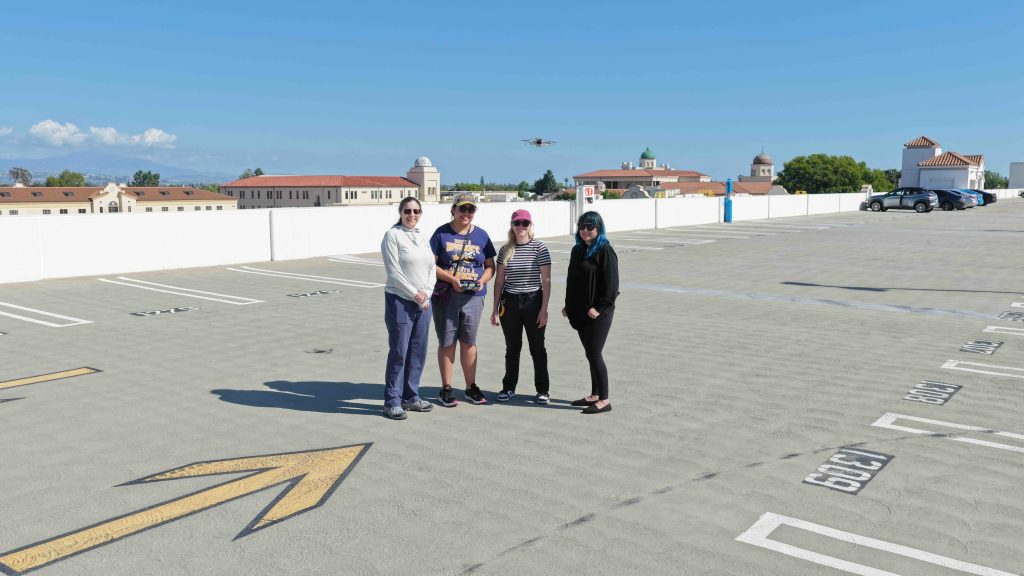
JN: How do you see the Women and Drones chapter working alongside the degree program to ensure that the women who enter this program are actually graduating?
CF: At the moment, I’m not entirely sure, but we’ll see how it goes. It’s going to take some time, but I’ve already talked to a bunch of the women who either have been in the club and want to know how to get started in the [degree] program.
JN: Jay, a two-parter for you: When you talk to your industry partners, what are some of the biggest technical skills gaps that they are seeing? And how are you using this knowledge to shape the program’s coursework?
JS: I’m like a sponge; I’m always taking input from the industry to see how I can adapt and evolve the programs and the course content that we’re training. What I’ve seen, I guess, is the evolution of the industry. Initially, they needed pilots, and they still need pilots, but then they needed pilots that know payloads. And then, they needed pilots that know payloads that also know equipment. Now, they need pilots that know payloads, equipment and can do maintenance. It’s just this continuing skill set and evolution, and the idea is to help develop students that are nimble enough or versatile enough to adapt to changes. We want them to have a skill set that can handle adversity and a knowledge base that is broad enough to where they may not be a master in this one thing, but they have been exposed to it. That way, if they’re thrown into something they’ll be able to handle it and grow into it. The key skill set is versatility and I think versatility in this industry is a big thing. You can have your 107, but you have to be more than that; you have to be multidimensional.
JN: What legacy do you both want to leave behind at Fullerton College for the next wave of students?
CF: Once I graduate from the Bachelors and move on, I want people to understand that women are part of this industry and I want the [Women and Drones] club to improve.
JS: Retirement is on the horizon, but the biggest thing is thatI want to make sure what has been built is sustainable; it already is infrastructure-wise. But, I want to make sure I can hand it off and the instructors, tutors, academic resources and continued administrative support are all there.