
Autonomous drones are changing how wildfires are detected and responded to.
My journey into drones didn’t begin with a grand plan. It began with curiosity. Twenty-five years in technology and nearly a decade in crisis response and emergency management later, that curiosity has evolved into a deep, purpose-driven passion. Today, as a commercial drone pilot, I regularly use unmanned systems to enhance situational awareness and support search and rescue operations, often in environments where seconds matter and decisions carry real consequences.
That background made it especially meaningful to be invited to serve as a judge for the XPRIZE Wildfire Competition, a global challenge aimed at fundamentally changing how the world detects, responds to, and suppresses dangerous wildfires. I had the privilege of judging alongside eight other experts, each bringing unique experience across aviation, robotics, artificial intelligence, emergency management, and wildland fire science. Together, we are eagerly anticipating the outcome of a competition that could redefine wildfire response in the very near future.
The goal of the XPRIZE Wildfire Competition is as ambitious as the problem it seeks to solve. To win, teams must autonomously detect, assess, respond to, and suppress a dangerous wildfire within 10 minutes, across an area exceeding 1,000 square kilometers, while correctly ignoring decoy fires such as campfires. No remote pilots. No manual overrides. Just intelligent systems making high-stakes decisions in real time.
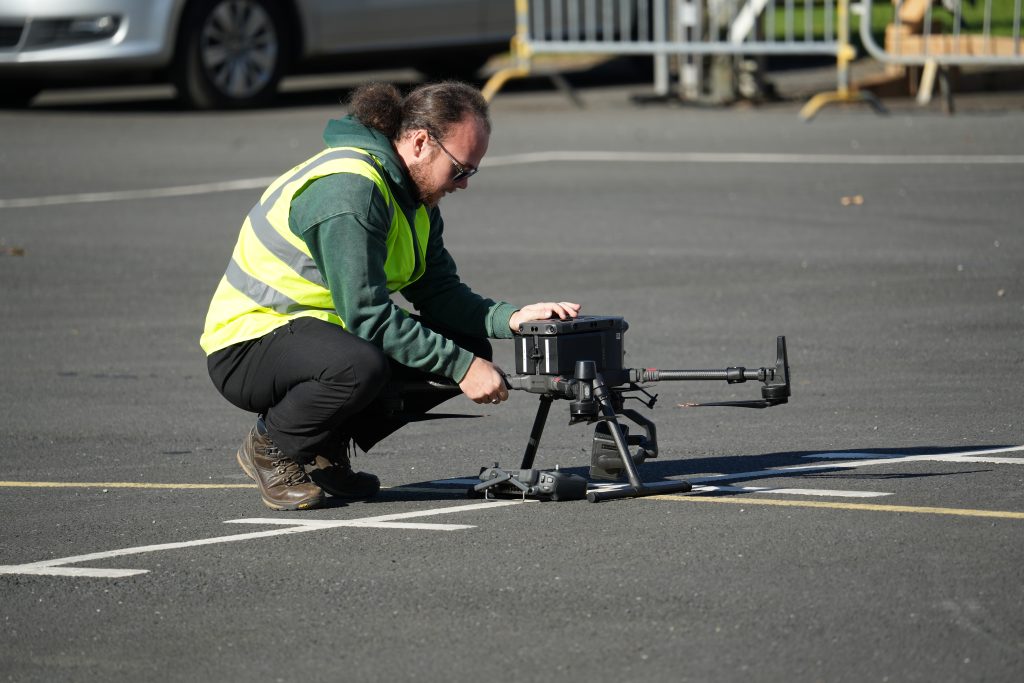
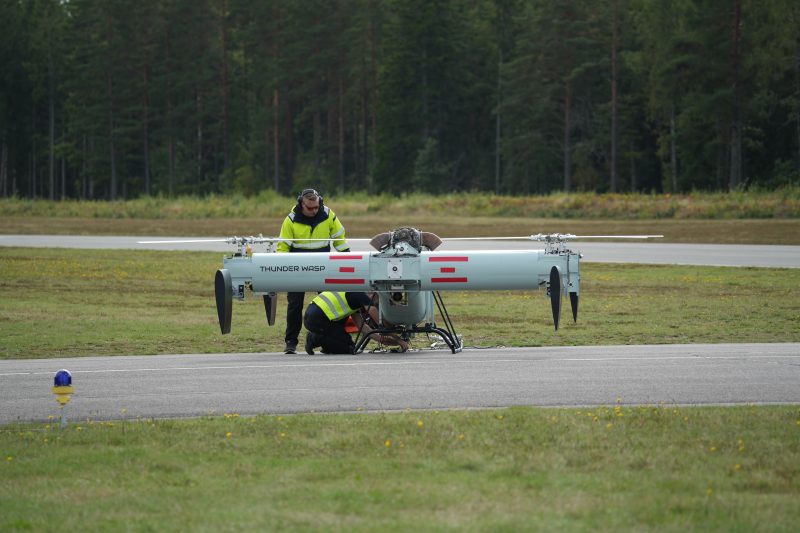
What makes this competition especially exciting is the sheer range of technologies and drone platforms being explored. Fixed-wing aircraft, multi-rotor systems, hybrid VTOL designs, satellite integration, advanced sensors, AI-driven fire modeling, and autonomous suppression methods are all in play. There is no single approach, and that is precisely what makes this moment in drone innovation so compelling. Watching different philosophies, architectures, and strategies compete side by side has been both fascinating and inspiring.
While I can’t disclose details about the technologies currently competing in the finals, which is scheduled to take place in June 2026 (more details to be announced), I can say this with confidence: the level of innovation is extraordinary. Coming from a deep and lengthy background in technology, I am genuinely impressed by what these teams have achieved. These are not speculative ideas or distant concepts; they are operational systems being refined at remarkable speed. Equally impressive is the collaboration. Despite the competitive nature of the challenge, teams have shared knowledge, tested assumptions, and pushed one another forward. That spirit of collaboration across borders, disciplines, and industries is exactly what complex global challenges like wildfire demand.
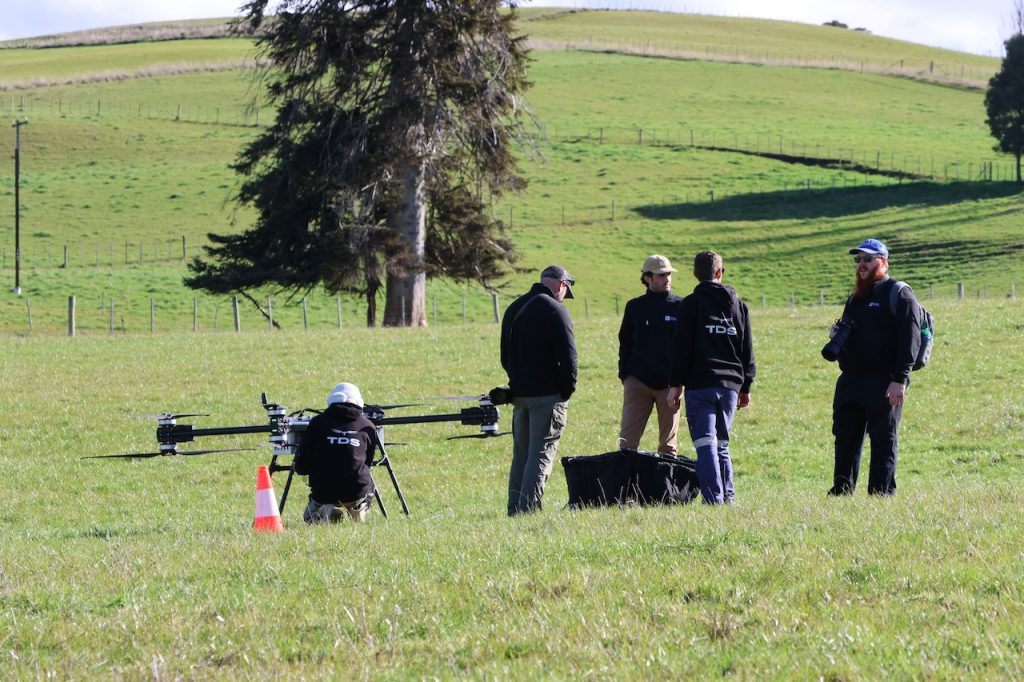
Serving as a judge in this competition felt like a full-circle moment. From early curiosity, to decades in technology, to years spent in emergency management, and now witnessing innovation that could save lives and ecosystems, it reinforced why this work matters. Drones are no longer just tools; they are becoming critical partners in crisis response.
So, can technology eliminate dangerous wildfires entirely? That question remains open. But one thing is clear: autonomous systems, intelligent drones, and diverse leadership are rapidly reshaping how we confront one of the world’s most destructive natural threats.