
Exploring the world of evolving technology careers in uncrewed aviation and advanced air mobility
“So, besides the traditional roles, what kind of jobs are even out there?” That’s the question a graduate student asked me after a recent talk I gave to a group of master’s-level STEM students who are just months away from walking across the stage. They were bright, curious, and full of energy—many already working on projects, research, and internships across different industries.
In response, I shared what I’ve been seeing in the world of drones and uncrewed systems—especially the opportunities that go far beyond the familiar “drone pilot” role. What fascinated me most was how quickly these students connected their own research—from AI modeling to battery design—to the emerging opportunities across aviation and aerospace.
Then, one student asked a question that made the room go silent: “What kinds of jobs really exist as we move beyond STEM and explore space? And, how do we prepare for those jobs today?”
That’s when I realized how much curiosity there is around the future of work in this space—and how few people have a roadmap for it. We’re not just talking about aircraft anymore; we’re talking about intelligent airspace, electric propulsion, and AI-powered flight. These technologies fall under what’s known as emerging aviation and Advanced Air Mobility (AAM). And while they’re transforming how we move goods and people through the skies, they’re also reshaping job descriptions and creating entirely new career paths.
Here’s what’s driving that transformation:
- Uncrewed Aircraft Systems (UAS) – Drones for delivery, agriculture, infrastructure inspection, or emergency response.
- eVTOLs (Electric Vertical Takeoff and Landing aircraft) – The building blocks of future air taxis.
- Autonomous Flight Systems – AI managing navigation, obstacle avoidance, and flight decisions.
- UAS Traffic Management (UTM) – A digital system for coordinating low-altitude air traffic.
- Next-Gen Batteries & Electric Propulsion – Enabling cleaner, quieter, and more efficient aviation.
This isn’t science fiction, it’s already happening and the future is now. In fact, a recent report by the Aerospace Industries Association and Deloitte estimates the U.S. AAM sector alone could reach $115 billion annually by 2035, supporting more than 280,000 new jobs.
The good news is that the pipeline is growing. From Part 107 certifications to university programs in AAM systems, new training paths are emerging. Boot camps, simulated workforce training, and industry-academic partnerships are helping professionals up-skill quickly. If you’re a student, recent grad, or mid-career pro wondering if you’re too late—you’re not.
What’s exciting—and a bit daunting—is that these roles don’t fit neatly into one major or one background. The workforce of the future will need hybrid thinkers who can bridge aviation, uncrewed systems, and aerospace with knowledge of code, ethics, or policy.
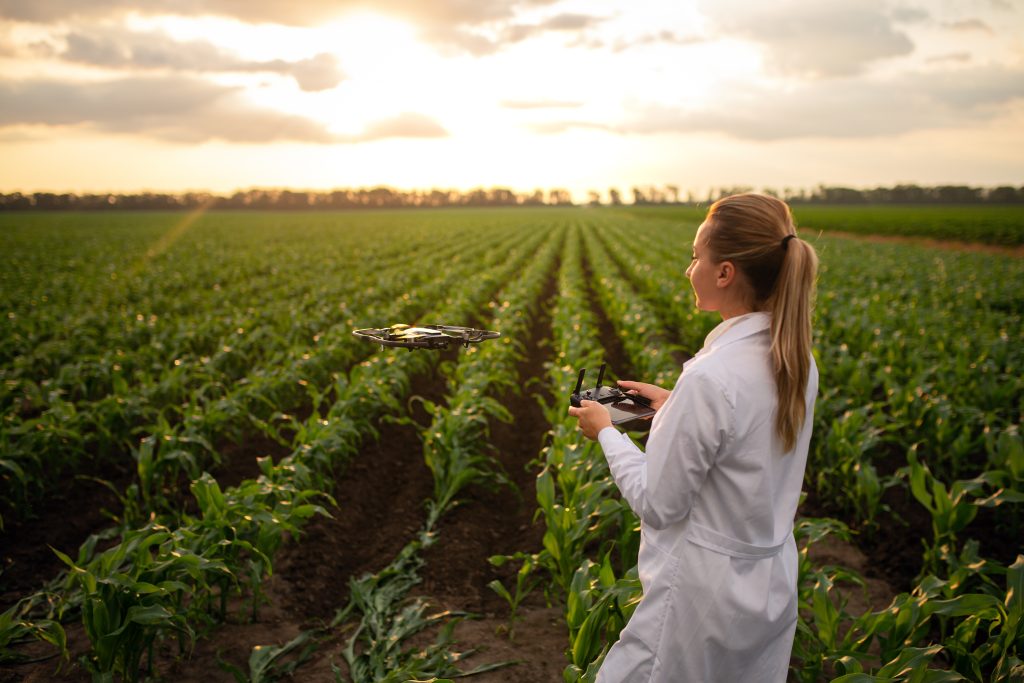
Across job postings and workforce forecasts, I keep seeing a few recurring skill areas:
Technical Skills
- Systems integration
- AI and machine learning
- Battery design & propulsion engineering
- Real-time data analysis
- UTM and digital modeling tools
Strategic + Human Skills
- Systems thinking
- Cross-discipline collaboration
- Regulatory and safety awareness
- Clear communication
- Ethical decision-making
Why This Series—and Why Now?
This is my first post in a new column where I’ll explore the real-world impact of evolving technologies careers. We’ll unpack what these jobs really look like and who’s already working in these roles. And also how training and access can improve and what it all means for the next generation of aviation and aerospace professionals.
The sky is no longer the limit—it’s a workplace. And, as we build an uncrewed, autonomous, and electrified future, it will need our ethics, our imagination, and our experience more than ever. In the next column, I’ll dive into some of the most overlooked but critical roles in this space.