



What to expect from the FAA’s eIPP projects.
The FAA recently announced eight proposals as part of the AAM Electric Takeoff and Landing (eVTOL) Integration Pilot Program (eIPP). The intent of the eIPP is to create a large-scale, real-world testing environment for AAM development. The project hopes to capture lessons that will inform and shape not only the design of air vehicles, but regulations for eventual operation in the National Air Space (NAS). As quoted in the announcement, FAA Deputy Administrator Chris Rochelea said, “The program will provide valuable operational experience that will inform the standards needed to enable safe Advanced Air Mobility operations.”
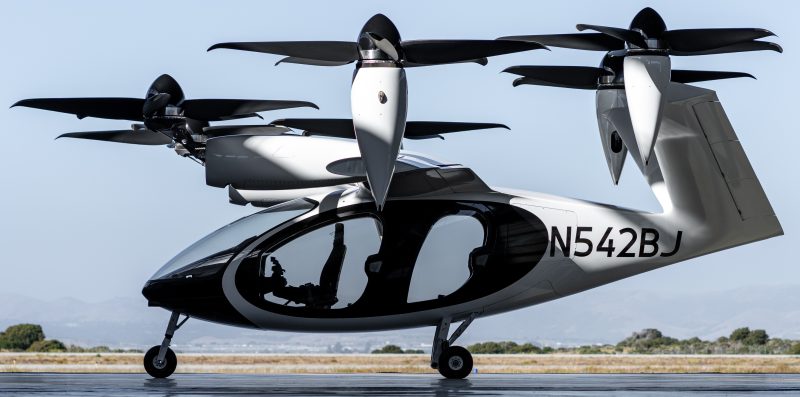
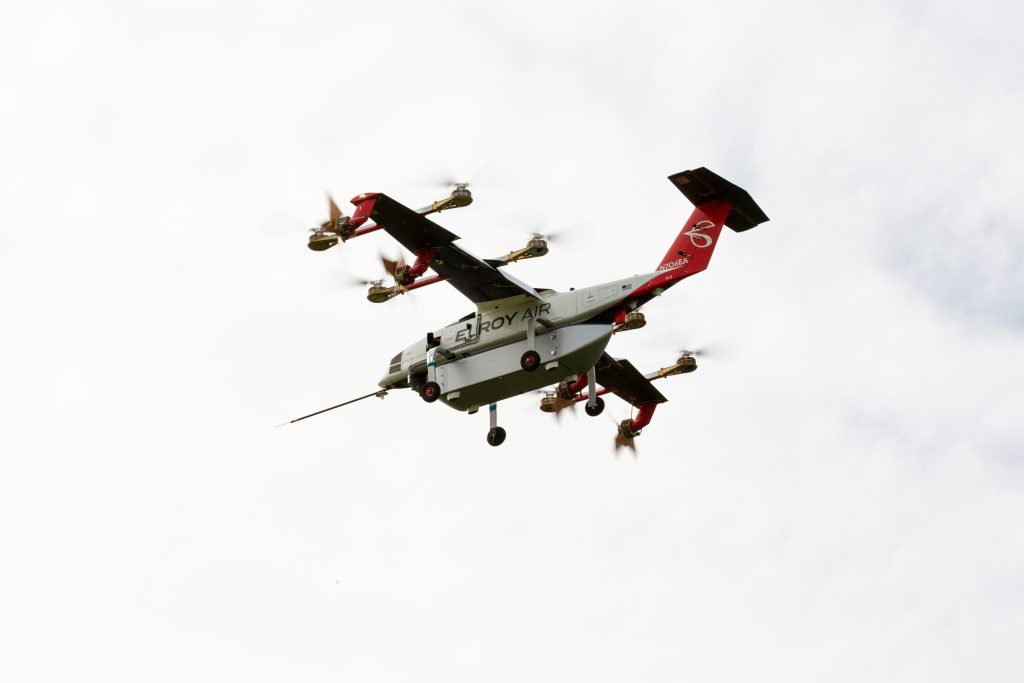
The eight projects span over half of the states in the US and include leading OEMs, like Joby Aviation, BETA Technologies, Archer Aviation, Ampaire, Electra, Elroy Air, Wisk, and Reliable Robotics. The eIPP is designed to showcase a broad set of operational scenarios that will include urban and regional passenger service, emergency response, logistics and cargo service to various locations, including to offshore sights. The program will not only include piloted eVTOLs, but uncrewed and autonomous vehicles.
Chosen from over 30 proposals, the selected projects promise to exercise all of the aforementioned elements. One example is the project selected from the Florida Department of Transportation that includes partners from multiple OEMs. Described as “a statewide effort focused on cargo delivery, passenger transportation, automation, and medical response,” this project should provide many key lessons.
The peninsular geography of Florida with several large cities and remote under-served rural areas give ample opportunity for both urban and regional air mobility use case exploration. Aircraft can utilize existing, underutilized airports as well as existing urban landing sites to determine the impact and feasibility of these operations.
The current Florida energy grid is supported by two nuclear power plants that provide over 10% of the state’s electricity. This may provide insight into how sustainable energy sources can support AAM. Additionally, Florida is home to several military research and development sites and nationally recognized higher ed engineering programs. Similarly, several aerospace industry companies and AAM manufacturers have significant presence in the sunshine state. Lastly, the Florida state government was one of the first to provide oversight and guidance as to the incorporation of AAM into the regional economy. All of these could yield valuable additional insights to the stated goals of the project.
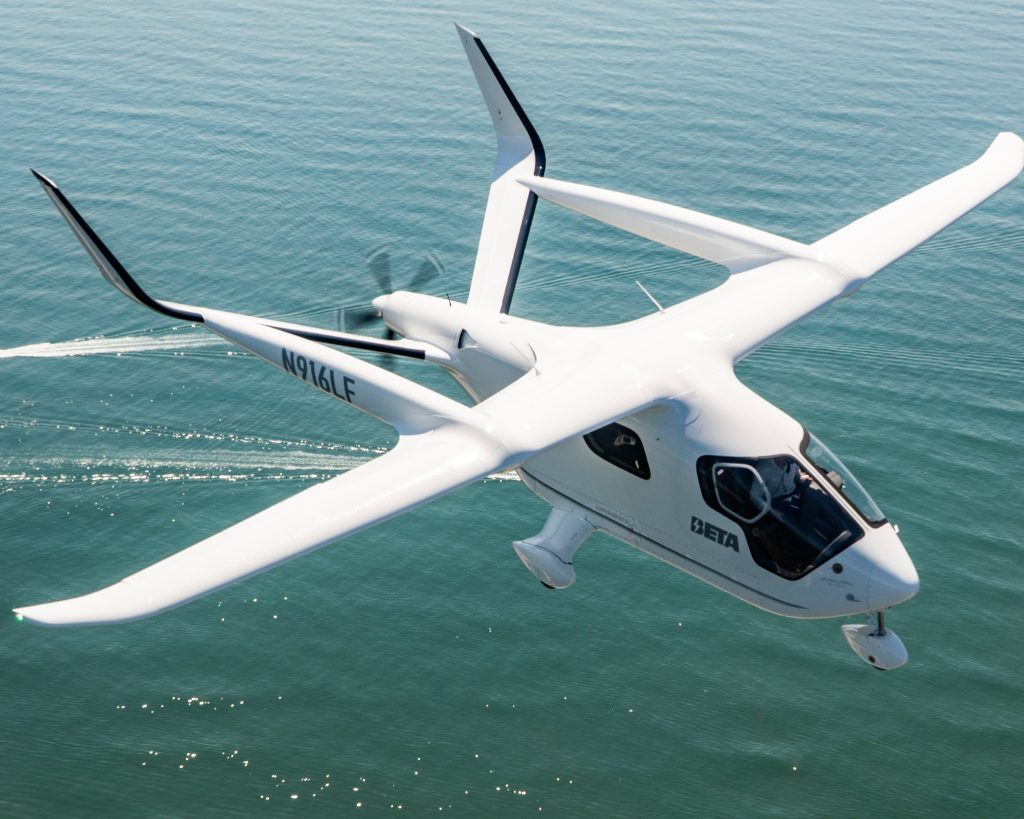
Seemingly more focused on regional air mobility issues, the Pennsylvania Department of Transportation plans to “work across 13 states to revitalize regional flights across the country.” Here, the eIPP will take on the challenge of air mobility deserts created by the move of larger airlines and logistics companies to common wide body aircraft, as well as the low-return on commuter aircraft operating costs. The real lesson will be to see if the availability of air mobility will truly bring enough customers to provide an ROI. There would be demand, if the price is right, particularly in areas that require extensive drives to a commercial airport.
The Port Authority of New York and New Jersey looks to provide the broadest set of use cases of all the projects. They plan to collaborate with multiple industry partners on a dozen operational concepts across New England, including eVOTL at the Manhattan heliport. The OEM partners of Archer, BETA, Electra and Joby seem to leave out autonomous drone technology that would complement any logistics use case. However, the integration of air mobility taxi flights into the existing expansive ground and maritime mobility systems would be a significant lesson learned.
Albuquerque, New Mexico provides a seemingly unique project as they will be working with Reliable Robotics. The focus of this effort is “designed to achieve early advances in autonomous operations.” Autonomous operations will be critical to truly affordable AAM performance. By eliminating the requirement for a pilot in the flying aircraft, the cost of operations is reduced and while adding one or two revenue seats. Autonomous AAM operators will further reduce costs because the paradigm of one pilot per aircraft no longer applies. Additionally, the pool of air vehicle operators increases with the removal of physical requirements levied on pilots. As the drone industry has seen over the past few decades, disabled drone pilots can perform equally satisfactory as a well-bodied operator.
Cold weather states, Alaska and Maine, will also be included in the eIPP. Cold weather impacts on battery life and aircraft operations is a significant challenge for the AAM industry. Including these states raises the expectations of collecting important data and finding solutions to these issues.
While the eight projects provide a comprehensive demonstration of AAM use cases, what the eIPP is lacking is the opportunity to investigate island operations in Hawaii. This could provide valuable lessons for operators investing in the state. In 2022, Regent Air entered a partnership to sell its 12-passenger, Viceroy electric boat aircraft to Pacific Current for the development of a transportation network with Mokulele Airlines. Most recently, BETA Technologies and Surf Air Mobility have entered a partnership to fly air shuttle flights in Hawaii.
Much like Florida, the Hawaiian archipelago provides a unique geographic situation that is perfectly suited to range limited electric aircraft. Some areas that a Hawaiian project could address are electric grid capacity on small islands and potential sustainable energy solutions like small nuclear reactors. Such a project could also bring the public, indigenous Hawaiian peoples, to the table for discussions on the most appropriate flight routes around historically and culturally sensitive areas. Public opinion has long been a key issue that the eIPP could address through a Hawaiian based project. Perhaps an extension of the eIPP in the future could support AAM initiatives in not only Hawaii, but island nations around the world.
The eIPP is a major step forward for the US in advancing AAM. The eIPP, coupled with recent road maps published for the future of AAM, outlines the vision and steps necessary to integrate this evolution of aviation into the US. It also sets the stage for the US to take a more active and leading role in shaping the future of AAM. The eIPP is tangible evidence of the United States’ commitment to this future.